red light therapy RSS
How Many Wavelengths do you Need for Red Light Therapy? Optimal Nanometer Ranges Reviewed.
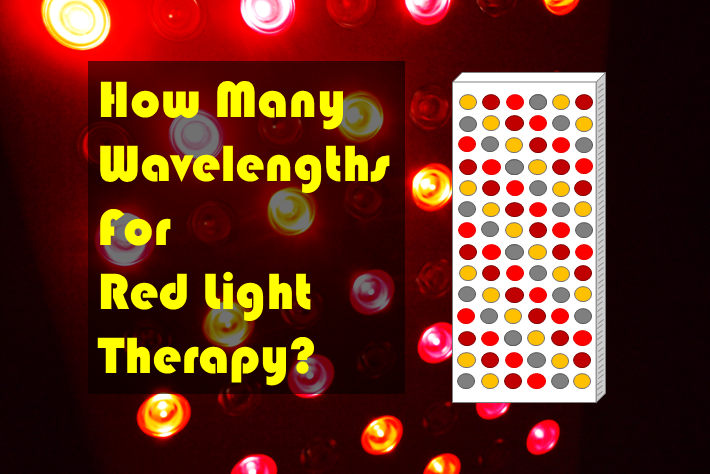

How many wavelengths do you need for red light therapy? Is it always better to have more wavelengths? Or just stick to the popular ones? A big decision for science-minded consumers is which wavelengths to get in a red light therapy device. The wavelengths are considered the “active ingredient” for red light therapy. Where other parameters like intensity, time, and energy are considered the “dose” – we want to make sure we have the correct “active ingredient” or wavelength to treat the condition that we want. The Standard Wavelengths vs New Wavelengths: The “standard formula” of 660nm (Red) and 850nm...
Budget Intensity Measurements for Red Light Therapy Part 1 of 3: Tenmars TM-206
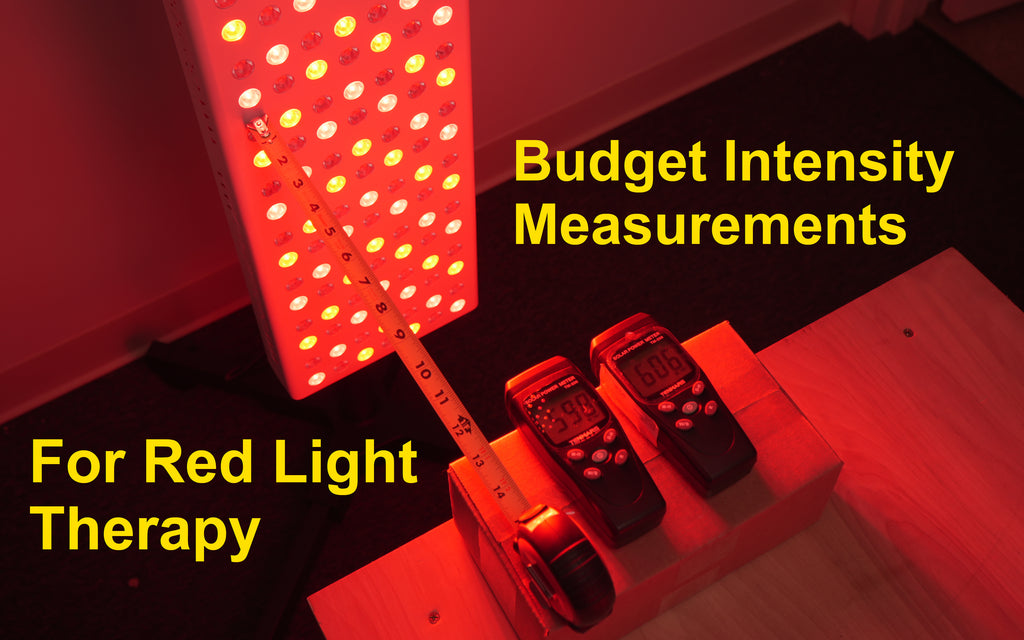

How can we measure intensity from red light therapy panels without spending a fortune on professional-grade power meters and 3rd party labs? Is there a way to get cheap intensity measurements at home to help determine proper dosage protocols? For Red Light Therapy (Photobiomodulation), knowing the intensity is important to make sure it is not too high that could cause eye or skin damage. And of course, we don’t the intensity too low that the light therapy device has no effect. Knowing the correct intensity allows you to properly calculate your dosage or exposure time especially if you are trying...
How Often Should We Use Red Light Therapy? The Hidden Secrets of Cumulative Dose


How often should we use our Red Light Therapy panels? Can we use them multiple times a day? Do we need a break from using them too often? To figure out how often to use red light therapy, we must understand important concepts like the Cumulative Dose and Rest Periods between doses. We will dive into the mechanisms of how red light therapy works after a treatment has ended. Although these concepts seem to be common-knowledge in the scientific literature, we have seen very little coverage of these important aspects of proper dosing protocols in other blogs. We will cover:...
Do Women Need Less Intensity in Red Light Therapy? Understanding Skin Optics for Better Dosing.
Red Light Therapy Scams Explained! Where did we go wrong?